Step by Step Health Guides for Real Life Situations

HealthNote guides focus on the moments when people need structured, practical help, turning complex processes into calm step by step paths that support conversations with clinicians and confident everyday decisions.
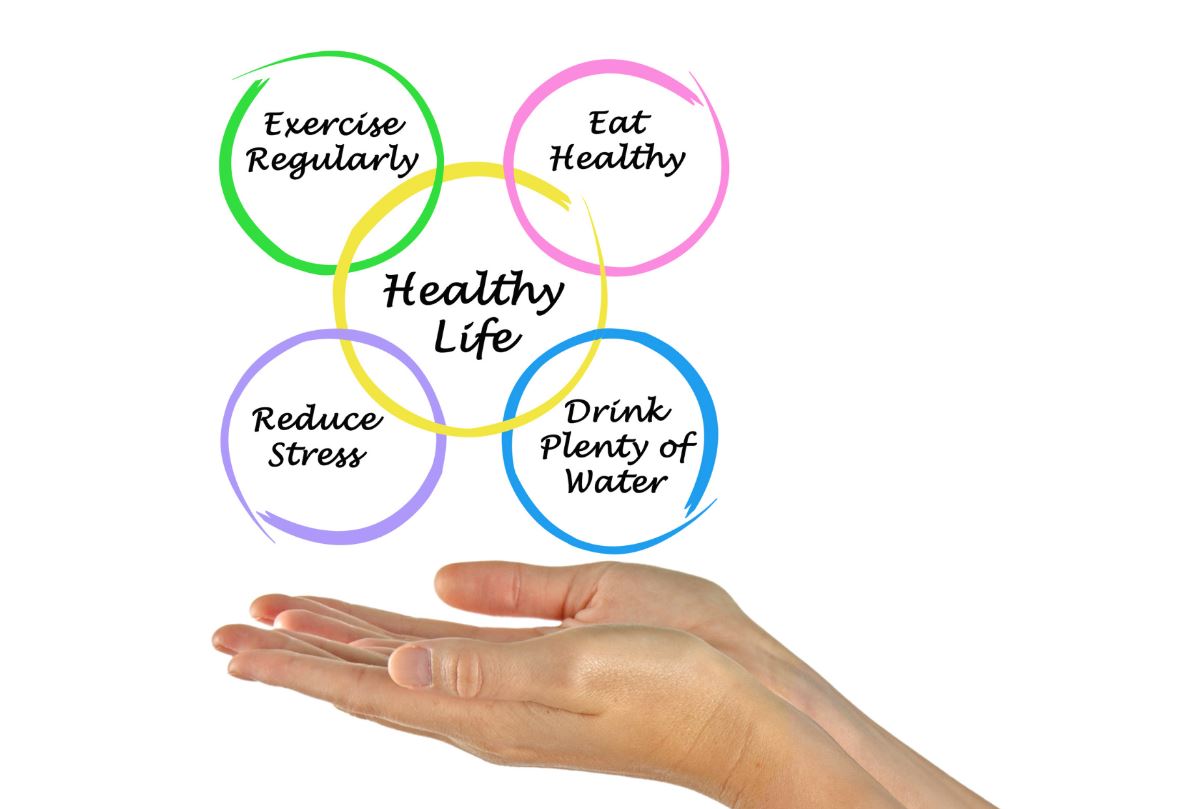
People following step by step health guidance

What Makes a HealthNote Guide Different from a Simple Article

HealthNote guides are created for the times when information alone does not feel like enough. An article might explain what blood pressure is, but a guide walks through how to prepare for a blood pressure check at home, what to record, and how to talk about the results with a clinician. The difference lies in structure and intent. Guides are built as practical roadmaps. They recognize that when a person is worried or pressed for time, they do not only need definitions. They need a clear sense of what to do first, what to notice next, and how to handle the emotions that often arise when health questions feel uncertain.

Each guide on HealthNote begins with a specific scenario rather than an abstract topic. It might focus on having a first conversation about new symptoms, organizing questions before a specialist visit, preparing for a blood test, or monitoring a chronic condition between appointments. From there, the guide breaks the scenario into stages that follow a natural sequence. Early steps help readers orient themselves, such as gathering any previous notes or test results. Later steps describe how to use that information in appointments or self care routines. This sequencing helps reduce the sense of chaos that often surrounds health concerns.

The tone of a HealthNote guide is intentionally steady and supportive. Many people feel vulnerable when dealing with medical issues, especially if they have had confusing or rushed appointments in the past. A guide that simply lists instructions without acknowledging those feelings can come across as cold or demanding. Instead, HealthNote guides weave practical steps together with reassurance that it is understandable to feel unsure, nervous, or even frustrated. This combination of structure and empathy helps readers stay engaged and more likely to follow through on important actions.

Another distinction is that HealthNote guides do not attempt to replace clinical judgment. They are designed to complement, not override, the expertise of professionals. This means a guide will not tell a reader that they definitively do or do not need urgent care. Instead, it may describe common red flag patterns, explain why those patterns matter, and strongly encourage contact with local services when certain thresholds are reached. The guide becomes a bridge between general knowledge and individualized care rather than a substitute for professional input.

Because guides are scenario based, they also make room for variability. Not everyone has the same access to resources, support systems, or transportation. Where relevant, the steps may include suggestions for adapting the plan, such as using telehealth if available, asking a trusted friend or family member to join a visit, or writing down questions in advance when memory or anxiety make in person conversations more difficult. These acknowledgments help readers feel seen as whole people rather than abstract cases.

Guides That Help You Prepare for Medical Appointments

One of the most practical uses of HealthNote guides is to prepare for medical appointments. Many people walk into a visit with good intentions but find that once the appointment begins, time feels compressed. They may leave feeling that certain questions stayed unasked or that they forgot to mention important details. A preparation guide offers a framework to make better use of those limited minutes. By using a structured checklist before the appointment, patients can feel more organized and more confident.

A typical appointment preparation guide on HealthNote starts with collecting information. This includes current medications, recent changes in symptoms, and any relevant test results or reports. Instead of treating this as a burdensome task, the guide explains why each piece of information matters. When clinicians know what medications a person is taking, for instance, they can better evaluate side effects and interactions. When they see how a symptom has changed over time, they can focus more quickly on likely explanations. Understanding the purpose behind these details makes preparation feel purposeful rather than arbitrary.

The guide then encourages readers to sort their questions into categories. One group might focus on understanding a diagnosis, another on treatment options, and another on lifestyle adjustments. Ordering questions by priority helps ensure that if time is short, the most important topics are addressed first. HealthNote guides suggest specific examples of questions that readers can adapt to their situation, such as asking about expected timelines for improvement, potential side effects, or what to watch for that would mean they should call back sooner than planned.

Appointment guides also discuss communication techniques that can help when conversations feel rushed or confusing. For example, they recommend repeating key points back in the reader’s own words to confirm understanding, asking for clarification when terms are unfamiliar, and requesting written information when available. They remind readers that it is acceptable to say they do not understand something or need a moment to process. These skills are important for all patients but can be especially helpful for individuals who feel intimidated in medical settings or who have had experiences where their concerns were minimized.

Finally, these guides include a short section on what to do immediately after the appointment. This can involve writing down instructions while they are still fresh, updating any symptom or medication logs, scheduling follow up visits, and sharing key information with supportive people involved in the person’s care. By extending the guide beyond the appointment itself, HealthNote emphasizes that effective care is a process that spans before, during, and after each visit.

Guides for Tracking Symptoms and Daily Patterns

Symptom tracking can be a powerful tool, but only when it is done in a way that is manageable and meaningful. HealthNote guides on tracking focus on making this process realistic rather than perfectionistic. They acknowledge that no one can record every detail of every day. Instead, the guides suggest focusing on specific patterns that matter most for the question at hand. For instance, a guide for tracking headaches might recommend noting time of day, intensity, location, associated symptoms such as nausea or sensitivity to light, and any clear triggers such as certain foods or sleep changes.

These guides explain the purpose of tracking in simple terms. Tracking helps reveal trends that can support clinical reasoning. It can show whether a symptom is improving, stable, or worsening, and whether any lifestyle changes appear to influence it. HealthNote emphasizes that tracking is not about proving that a symptom is real, because patient experiences inherently matter, but about giving clinicians additional data to work with. This distinction can help reduce feelings of self doubt that sometimes arise when people are asked to keep logs.

A well structured tracking guide also includes advice on choosing a format. Some readers prefer paper journals, others use digital notes or spreadsheets, and some rely on dedicated apps. HealthNote does not force a particular tool. Instead, it outlines principles such as consistency, ease of use, and the ability to share information with clinicians. The guide may suggest simple templates that can be copied or adapted, such as a table with columns for date, time, description, and notes about potential triggers or relieving factors.

Importantly, tracking guides address the emotional side of paying close attention to symptoms. For some people, detailed tracking can increase anxiety, especially if they become preoccupied with every variation in sensation. HealthNote acknowledges this and suggests strategies such as setting a specific time each day to record observations rather than writing constantly, and taking breaks from tracking when recommended by a clinician. The goal is to gather helpful information without allowing the process to dominate daily life.

At the end of a tracking guide, HealthNote describes how to bring the information into a medical visit. Readers are encouraged to highlight key patterns, such as changes in frequency, intensity, or associated factors, and to focus on summary observations rather than reading every entry aloud. This makes it easier for clinicians to quickly see the most relevant information. The guide also reminds readers that tracking is often an iterative process. As more is learned, both patient and clinician may refine what to record, discarding elements that turn out to be less useful and adding others that matter more.

Guides for Understanding and Following Treatment Plans

Another major category of HealthNote guides focuses on understanding and following treatment plans. These guides recognize that even when a clinician explains a plan clearly, the details can feel difficult to remember or implement later at home. A written plan may contain medication schedules, lifestyle recommendations, follow up appointments, and instructions for monitoring side effects. The role of the guide is to translate that plan into daily routines that make sense for the reader’s life.

One part of these guides describes how to organize treatment information. Readers are encouraged to keep a central record, whether on paper or in a secure digital format, that lists each medication, its purpose, dosage, timing, and any special instructions such as taking it with food. The guide explains why these details matter, including the importance of consistency for certain medications and the reasons some drugs cannot be stopped abruptly. By understanding the logic behind the plan, readers are more likely to follow it and to notice when something does not align with what they expected.

The guides also address practical obstacles that often interfere with following treatment plans. These include busy schedules, caregiving responsibilities, financial constraints, and difficulty remembering doses. HealthNote suggests strategies such as using alarms, pill organizers, or pairing medication times with existing routines like brushing teeth or meals. It also encourages readers to speak openly with clinicians about barriers, emphasizing that adjustments can often be made when challenges are known. Recognizing obstacles as common and solvable reduces feelings of guilt or failure when adherence is imperfect.

Another important theme in treatment guides is monitoring and feedback. Readers learn to watch for expected effects, such as gradual improvement in symptoms, and to pay attention to possible side effects. The guide helps distinguish between mild side effects that may fade over time and more serious reactions that require prompt attention. It encourages readers to record their observations and share them with their clinicians, who can then decide whether to adjust dosages, change medications, or explore alternative treatments. This dynamic process turns the patient into an active partner rather than a passive recipient.

Treatment plan guides also reinforce the idea that it is acceptable to ask questions when something does not make sense. If instructions conflict with other advice the reader has heard, or if they struggle to see how a recommendation fits their values or cultural practices, they are encouraged to bring those concerns forward. HealthNote explains that clinicians generally prefer to know when a plan does not feel workable rather than discovering later that it was not followed. Honest conversations can lead to more realistic and respectful approaches that still protect health.

Guides for Navigating Health Decisions and Uncertainty

Some of the most challenging moments in health care involve decisions where no option is completely risk free or guaranteed. HealthNote offers guides that focus on navigating these choices and the uncertainty that surrounds them. These guides do not tell readers what to choose. Instead, they provide tools for thinking through options, clarifying priorities, and communicating preferences. They also acknowledge that emotions such as fear, hope, and doubt are natural companions to serious decisions.

Decision focused guides often begin by explaining the concept of shared decision making. This approach involves clinicians and patients working together, combining medical evidence with the patient’s goals and values. The guides describe how this differs from a more paternalistic model where the clinician simply instructs the patient. Readers learn that it is appropriate to ask about the benefits and risks of each option, the likelihood of different outcomes, and how choices may affect quality of life. HealthNote reinforces that asking for time to think, or requesting written summaries of options, is a reasonable and responsible step when decisions carry significant weight.

The guides introduce practical tools such as listing pros and cons, ranking what matters most to the individual, and considering both short term and long term effects. For example, a person may weigh the possibility of faster symptom relief against a higher chance of side effects, or compare treatments that require frequent monitoring with those that demand fewer appointments but carry other trade offs. The guides encourage readers to involve trusted people in these discussions when helpful, while also respecting the fact that some decisions feel deeply personal.

Another theme in these guides is the management of regret and second guessing. HealthNote acknowledges that even well considered decisions can feel heavy afterward, especially if outcomes are uncertain or slow to appear. The guides remind readers that a good decision is defined by the process used to make it, not only by the outcome, which no one can fully control. By focusing on informed choice, clear communication, and alignment with personal values, readers can feel more grounded even when the future remains unclear.

Finally, these guides encourage ongoing dialogue. Decisions in health care are rarely final. New information, changing circumstances, and evolving research can all shift the balance of options. HealthNote suggests that readers regularly revisit their choices with clinicians, especially when something in their condition changes or when they encounter new questions. This perspective turns decision making into a living process rather than a single, irreversible moment.

Using HealthNote Guides at Your Own Pace

HealthNote guides are meant to be companions that you can return to as often as needed. They are not assignments that must be completed in one sitting. Readers can skim a guide to get a sense of its structure, then come back later to focus on specific parts that feel most relevant. Some people may print sections to bring to appointments, while others may bookmark them for reference when questions arise. The flexibility reflects the reality that health journeys are rarely linear. Needs change with time, and guidance that felt overwhelming at one stage may feel perfectly suited at another.

The guides are also designed to work together. A person might use an appointment preparation guide alongside a symptom tracking guide and a treatment plan guide, weaving them into a coherent approach. HealthNote aims to keep the language and visual structure consistent across guides so that once readers are familiar with the style on one page, they can move through others with ease. This consistency reduces the cognitive load of adapting to new formats and lets readers focus more on content than on navigation.

Importantly, HealthNote encourages readers to listen to their own limits. If reading about a topic increases anxiety to the point of distress, it can be wise to pause, reach out to supportive people, or seek direct professional guidance rather than continuing alone. Guides are tools, not obligations. They are most effective when used in a way that supports emotional well being as well as understanding. The platform reminds readers that choosing to step away for a while is not avoidance. It is a form of self care.

Over time, using these guides can build not only knowledge but also a sense of capability. Each time a reader prepares for an appointment, tracks symptoms more effectively, or communicates questions more clearly, they practice skills that make the next health challenge easier to manage. HealthNote views this gradual growth in confidence as one of the most important outcomes of its work. A guide is successful when it helps someone feel less alone, more oriented, and better prepared to engage with the professionals who share responsibility for their care.

In this way, HealthNote guides become part of a long term relationship between the reader and their own health. They do not replace the vital role of clinicians, nurses, pharmacists, therapists, and other professionals. Instead, they enhance those relationships by giving readers a clearer sense of what is happening and what they can do. Step by step, guide by guide, the platform aims to make health information more workable, more humane, and more aligned with the real lives of the people who depend on it.